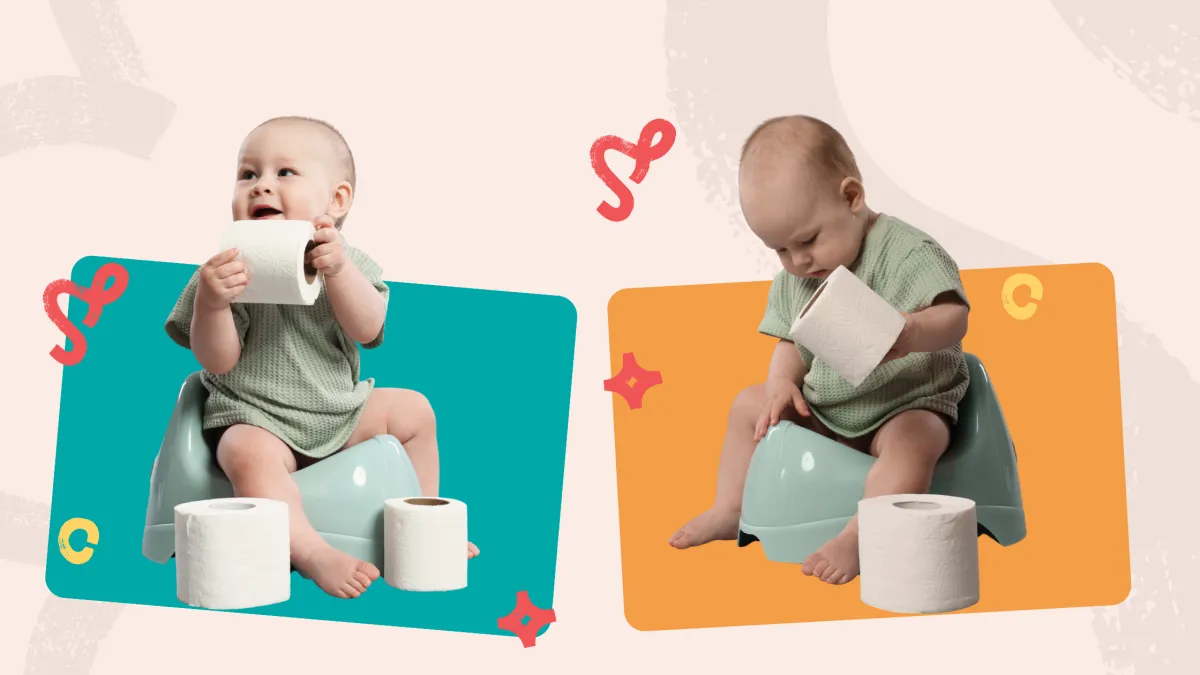
Toileting Difficulties in Children: Understanding an Overactive Core
Toilet training can be stressful for both children and parents. If your child is experiencing ongoing accidents, difficulty sitting on the toilet, or seems unable to “let go,” there may be more going on than meets the eye.
From an occupational therapy perspective, one underlying factor we sometimes see is an overactive core.
Let’s break down what this means and how it can impact your child’s toileting success.
Why Is Toileting Difficult for Some Children?
Toileting is not just a learned habit. It is a complex developmental skill that requires:
Body awareness
Gross and fine motor coordination
The ability to relax core and pelvic muscles at the right time
For some children, their bodies are working overtime throughout the day. This can make toileting feel uncomfortable, confusing, or even overwhelming.
What Is an Overactive Core?
The core includes the muscles of the abdomen, lower back, and pelvis. These muscles help us sit upright, move efficiently, and maintain stability.
However, when these muscles are constantly switched on, meaning tight or braced, it becomes very difficult for a child to:
Relax while sitting on the toilet
Fully empty their bladder or bowels
Tune into their body’s internal signals
In simple terms, if the body cannot relax, toileting becomes significantly harder.
Signs Your Child May Have an Overactive Core
You may notice your child:
Appears stiff or tense in their body
Has difficulty sitting still or relaxing
Avoids sitting on the toilet
Experiences frequent accidents despite toilet training
Seems unaware of when they need to go
Uses excessive effort, such as straining, holding, or rushing
These signs are often mistaken for behavioural challenges, when in fact they may reflect underlying physical and sensory differences.
How Occupational Therapy Can Help
At ChiroKinetix 4 Kids, we take a whole-child approach rather than focusing solely on toileting behaviour.
Occupational therapy supports toileting by addressing:
Body Awareness (Interoception)
Helping children recognise and respond to internal body signals.
Muscle Regulation
Teaching children how to appropriately activate and relax their core and pelvic muscles.
Sensory Processing
Supporting children who may feel overwhelmed by or disconnected from body sensations.
Toileting Routines
Establishing predictable, low-stress routines that build confidence and consistency.
Most importantly, these skills are developed through play-based, engaging activities that feel safe and achievable for the child.
Simple Strategies You Can Try at Home
Here are some practical, OT-guided strategies to support your child:
1. Heavy Work Activities
These activities help regulate the nervous system and reduce overall muscle tension:
Pushing a laundry basket
Carrying groceries
Climbing or crawling games
2. Relaxation-Based Movements
Encourage the body to switch off and down-regulate:
Child’s pose
Gentle rocking
Blowing bubbles or using a straw, even while sitting on the toilet
3. Correct Toilet Positioning
Positioning plays a significant role in successful toileting:
Feet flat on a stool
Knees slightly higher than hips
Leaning forward with elbows resting on knees
This posture supports natural relaxation of the pelvic floor.
4. Build Awareness Through Routine
Use consistent toilet times, not only in response to accidents
Talk through body cues such as “your tummy feels full”
Use visual supports if needed
When to Seek Support
If your child is experiencing frequent accidents, avoiding the toilet, becoming distressed, or not progressing despite consistent strategies, it may be time to seek professional support.
Early intervention with a paediatric occupational therapist can make a significant difference, particularly before children transition into school or more social environments.
Final Thoughts
Toileting is not simply about training. It reflects the connection between the brain and the body. For children with an overactive core, the challenge is not just recognising when to go, but learning how to let go.
With the right support, strategies, and understanding, children can build confidence and independence in their toileting journey.
Need Support?
At ChiroKinetix 4 Kids, our paediatric occupational therapists provide individualised, evidence-informed support for children experiencing toileting difficulties.
If you have concerns about your child’s toileting, we are here to help.